
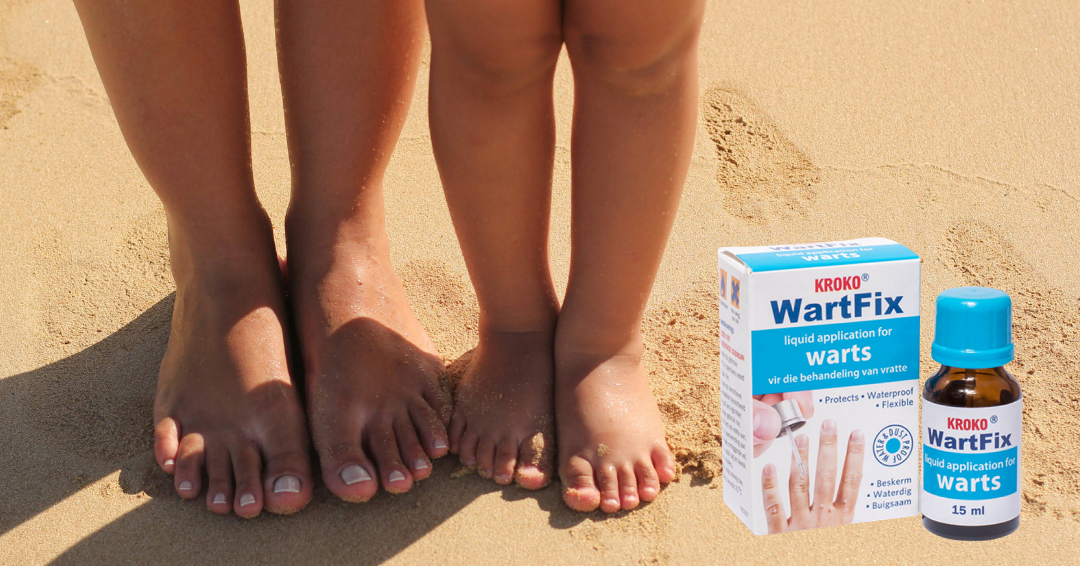
As schools reopen across the country, health professionals and footcare experts are urging parents to be vigilant: February often marks the beginning of “wart season,” a time when children are more likely to develop warts due to increased interaction with classmates, sports fields, playgrounds, and communal areas.
Common warts, caused by certain strains of the human papillomavirus (HPV), are benign skin growths that thrive in warm, moist environments. While these are usually harmless, they’re easily spread and can be stubborn to treat.
Warts are among the most common skin conditions in childhood, particularly affecting school-aged children and adolescents. Research indicates that viral warts accounted for around 11% of skin disorders among children evaluated in dermatology studies, making them one of the top-diagnosed skin issues alongside eczema, impetigo, and dermatitis.
“Warts affect an estimated 10–50% of children worldwide, particularly during the school years when exposure is higher and immune systems are still developing,” says Lynsey Hammond, MD at KROKO. “Skin warts can appear anywhere on the body, but parents most often spot them on hands, knees, elbows, and the soles of feet - called plantar warts - which can be very uncomfortable, especially for active kids”. She adds.
“Children are particularly susceptible to the wart virus because their immune systems are still maturing,” explains Hammond. “Schools, sports activities, and shared spaces increase the chance of skin-to-skin or surface transmission of HPV. The more exposure, the more likely a child may develop warts,” she adds.
“It’s not just about treating them when they appear, it’s about preventing the spread of warts. It’s important to teach children the importance of a good routine. That, combined with early detection, can prevent them from spreading,” says Hammond.
In most cases, warts are not serious and respond to over-the-counter or at-home treatments such as Kroko’s WartFix. However, consult a healthcare provider if:
____________________________________________________________________________
Notes to editor:
A trusted South African footcare brand since 1936, Kroko offers a range of safe and effective treatments for common foot concerns, including warts, corns, cracked heels, and more. Their products are available nationwide at pharmacies.
This will close in 0 seconds